Learn Machine
Learning Through
Visual Experiments
Explore algorithms, model evaluation, image processing, signal processing, and AI concepts directly in your browser.


Hundreds of learners have joined our ecosystem and started learning ML visually.
Start with a strong visual article.
Read the idea first, then open the related lab when you are ready to experiment.
 AI Basics
20 Important AI Concepts We Can Understand in 20 Minutes
A clean, beginner-friendly guide to the core ideas behind modern AI — from neural networks and transformers to RAG, agents, and diffusion models.
Jun 20, 2026 · 20 min read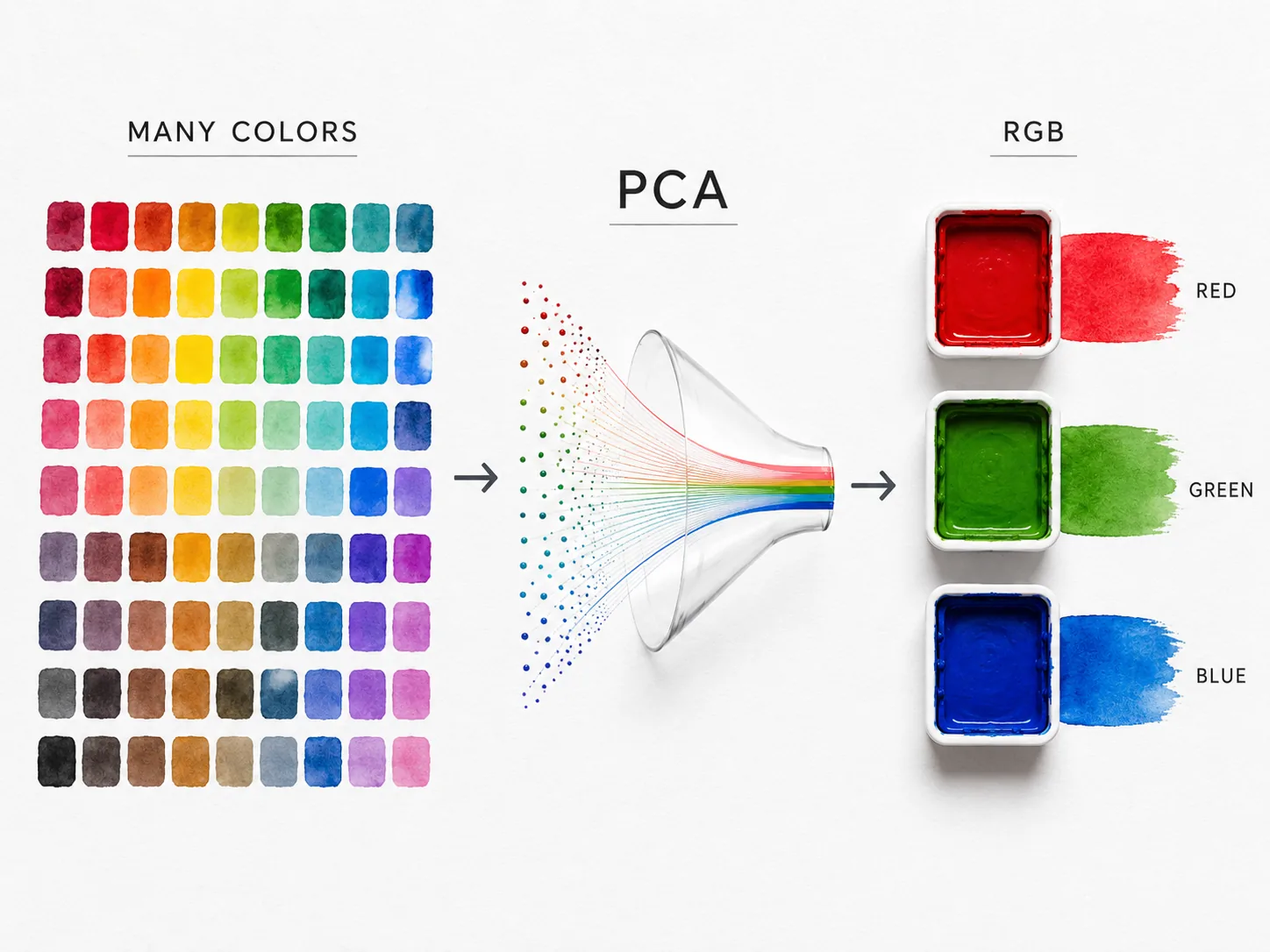 Dimensionality ReductionPCA Explained: How Machine Learning Simplifies Data Without Losing the Main Story12 min read
 OptimizationGradient Descent Explained: A Visual and Intuitive Guide15 min read
 EvaluationConfusion Matrix and Classification Metrics15 min read
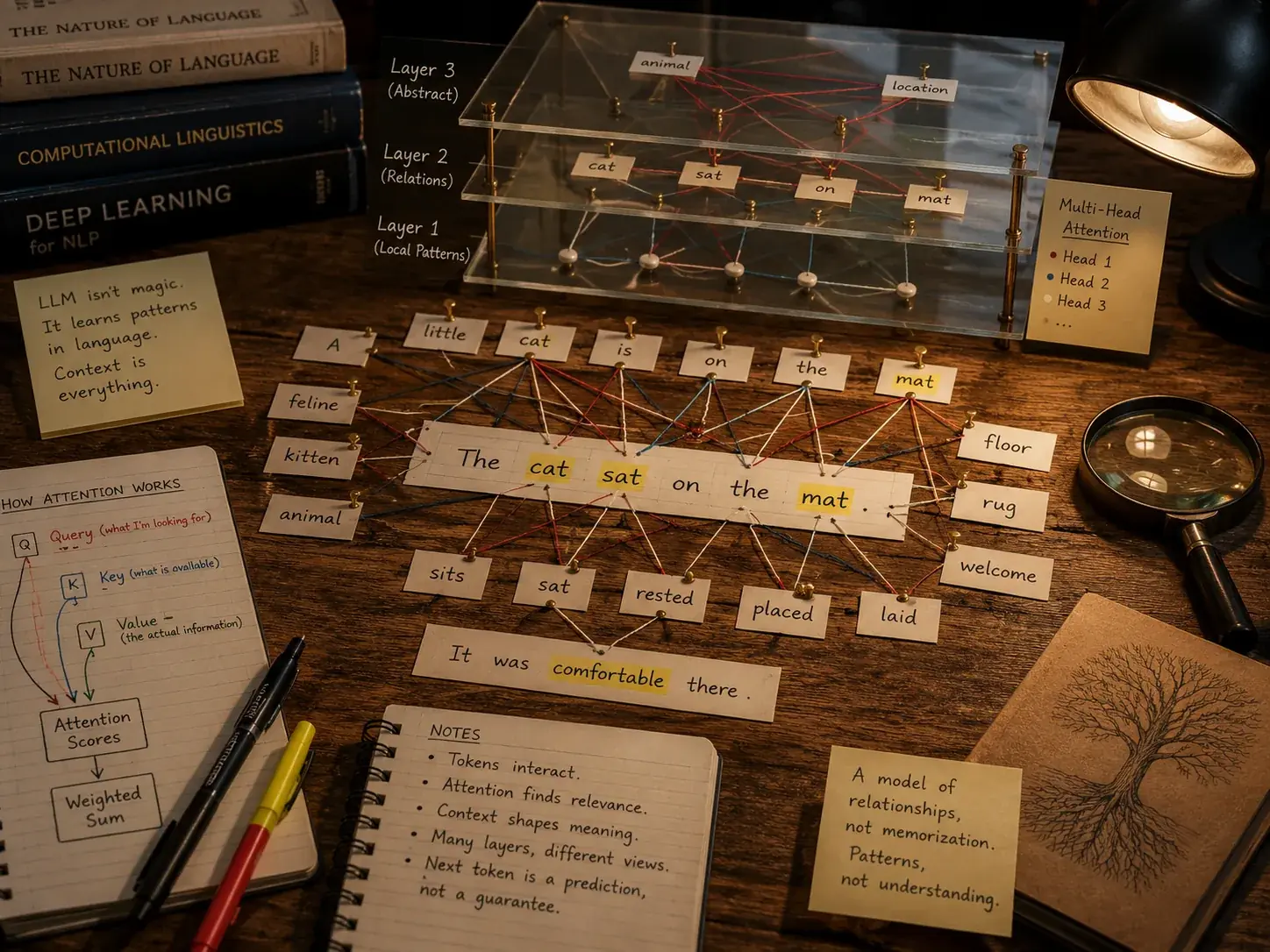 Deep LearningTransformer and Attention Mechanism: From the Paper to an Interactive Lab14 min read
Pick a lab and make the concept move.
Run experiments, edit parameters, add data, and watch the algorithm respond visually.
Neural Network
Train a small ANN, inspect activations, and watch hidden layers respond live.
weights, neurons
Free after sign-in
Convolutional Neural Network
Watch kernels slide over input images and build feature maps step by step.
kernel * input
Free after sign-in
FFT Spectrum
Compose a signal and see its frequency components in the spectrum.
time -> frequency
Visual Lab
PCA 2D and 3D
Explore dimensionality reduction, projections, and principal components.
PC1, PC2, PC3
Attention Lab
Transformer Attention
Type your own sentence and inspect attention scores token by token.
Q, K, V
Ensemble ML
Random Forest
Compare many decision trees and inspect votes, splits, and feature importance.
tree voting